
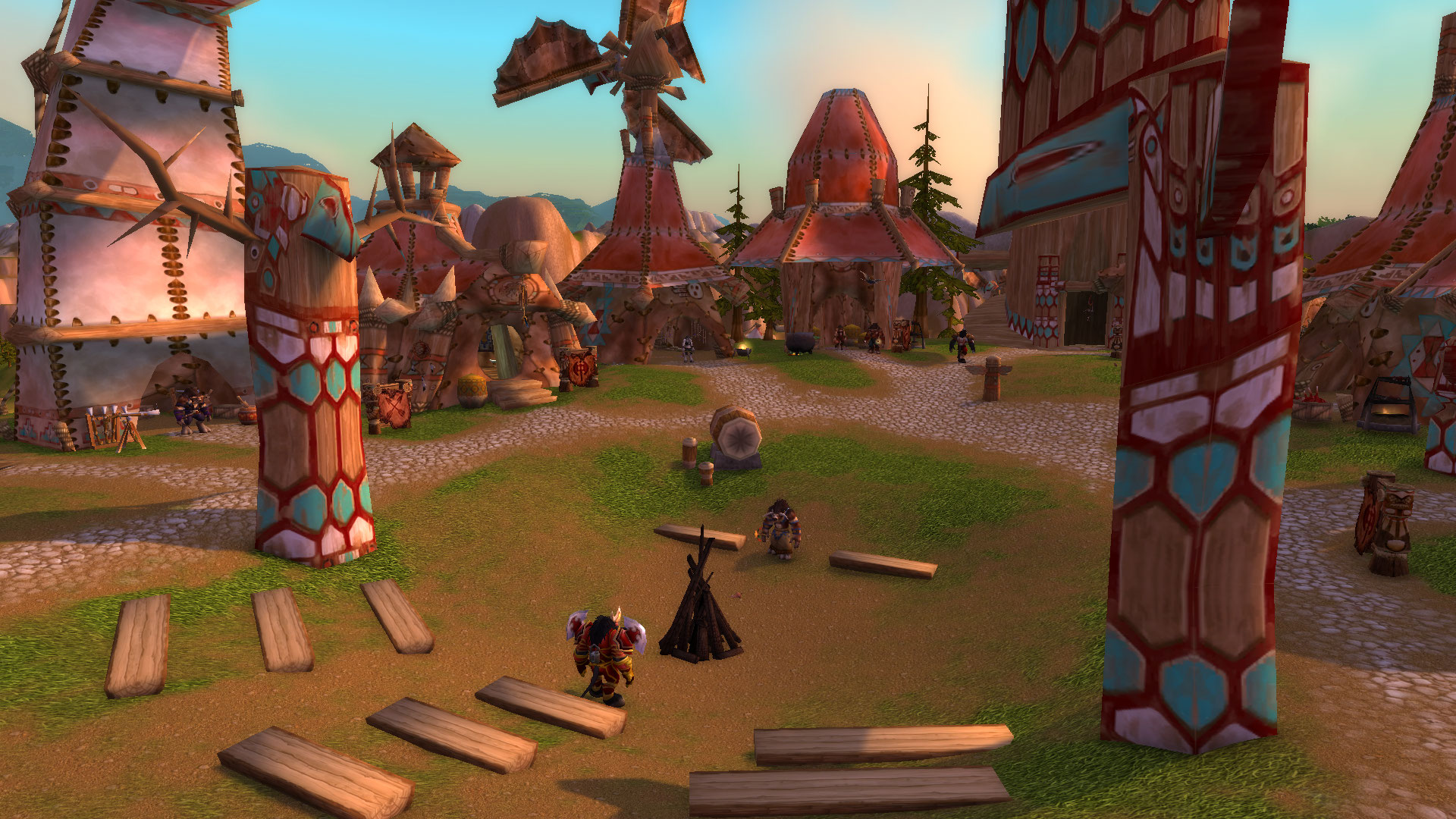
The fatal duel between Cairne Bloodhoof and Garrosh Hellscream is a pivotal moment in the lore of World of Warcraft, encapsulating themes of honor, betrayal, and the harsh realities of tribal politics. This event not only marked the end of Cairne’s life but also set the stage for significant shifts within the Horde. Understanding the intricacies of this duel requires a deep dive into the motivations, mechanics, and implications of the fight, as well as the broader narrative context of the game.
What led to the duel between Cairne Bloodhoof and Garrosh Hellscream?
The duel was precipitated by Garrosh’s aggressive leadership style and Cairne’s commitment to traditional values, culminating in a clash over the future of the Horde.
Cairne Bloodhoof, the chieftain of the Tauren, represented a legacy of honor and respect within the Horde, while Garrosh Hellscream embodied a more brutal, militaristic approach. The friction between these two leaders grew as Garrosh’s strategies became increasingly ruthless, particularly during the events leading to the Cataclysm. Cairne’s concerns about Garrosh’s methods were not merely personal; they reflected a deeper ideological divide within the Horde. This conflict was exacerbated by the influence of outside forces, including the machinations of Magatha Grimtotem, who sought to undermine Cairne’s authority. The tension reached a boiling point when Garrosh publicly insulted Cairne, challenging his leadership and the Tauren’s place in the Horde.
- Understand the historical context of the Tauren and their values.
- Analyze Garrosh’s rise to power and his impact on Horde dynamics.
- Investigate the role of Magatha Grimtotem in escalating the conflict.
- Explore the cultural significance of honor in Tauren society.
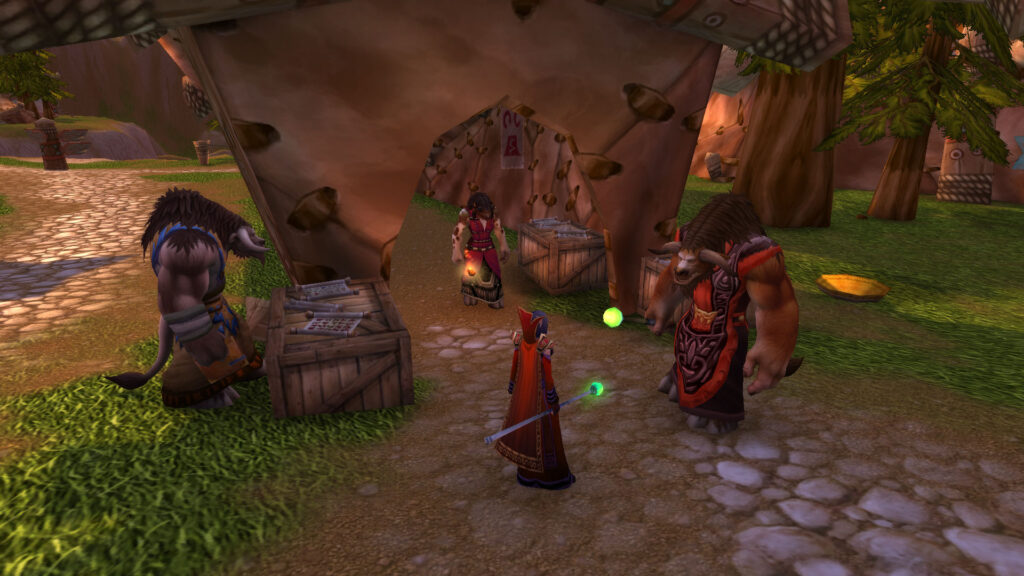
How did the mechanics of the duel play out?
The duel was marked by a combination of traditional combat and underhanded tactics, ultimately leading to Cairne’s demise.
The mechanics of the duel were not just about brute strength; they involved strategic positioning and the use of abilities that reflected each combatant’s character traits. Cairne, known for his immense strength and resilience, relied on his powerful melee attacks and defensive capabilities. In contrast, Garrosh, driven by rage and ambition, utilized a more aggressive approach, incorporating his abilities to deal damage quickly. The duel was supposed to be a fair fight, adhering to the traditions of the Horde, but the introduction of poisoned blades by Garrosh altered the dynamics significantly. This betrayal not only showcased Garrosh’s willingness to win at any cost but also highlighted the moral decay within the Horde’s leadership.
In terms of gameplay mechanics, the duel can be analyzed through the lens of damage output and cooldown management. Cairne’s abilities, such as War Stomp and his powerful melee strikes, were countered by Garrosh’s use of abilities like Execute and Bloodthirst, which allowed him to capitalize on Cairne’s weakened state. The introduction of poison, a tactical choice, provided Garrosh with a significant advantage, allowing him to inflict damage over time while Cairne struggled to maintain his health. This manipulation of combat mechanics not only led to Cairne’s defeat but also served as a narrative device to illustrate the themes of betrayal and the loss of honor.
What were the immediate consequences of Cairne’s death?
Cairne’s death had profound implications for the Horde, leading to a power vacuum and increased tensions among its factions.
The immediate aftermath of Cairne Bloodhoof’s death was chaotic, as it left a significant void in the leadership of the Tauren and the Horde as a whole. Cairne was not just a leader; he was a symbol of unity and honor among the various races within the Horde. His passing sparked outrage among the Tauren, who viewed Garrosh’s actions as a betrayal of their values. This discontent was further fueled by the manipulative actions of Magatha Grimtotem, who sought to exploit the situation for her gain. The power dynamics within the Horde shifted dramatically, with Garrosh’s authority being challenged by those who mourned Cairne’s loss.
What were the key events surrounding Cairne’s duel?
The key events include the buildup of tensions, the duel itself, and the subsequent fallout that reshaped the Horde’s future.
This table summarizes the critical events leading up to and following the duel, providing a clear timeline of how these moments interconnect and influence the broader narrative of World of Warcraft.
| Event | Date | Description | Impact |
|---|---|---|---|
| Garrosh’s Rise to Power | 2010 | Garrosh becomes Warchief of the Horde. | Increased militarism and aggression within the Horde. |
| Cairne’s Challenge | 2011 | Cairne challenges Garrosh’s leadership publicly. | Heightened tensions between Tauren and Orcs. |
| The Duel | 2011 | Cairne and Garrosh duel, resulting in Cairne’s death. | Loss of honor and unity within the Horde. |
How did the duel affect the Tauren and their culture?
The duel had a lasting impact on Tauren culture, leading to a reevaluation of their values and place within the Horde.
The death of Cairne Bloodhoof resonated deeply within Tauren society, prompting a cultural introspection that questioned their role in the increasingly aggressive Horde. Cairne was a figure of wisdom and strength, and his loss left many Tauren feeling adrift and uncertain about their future. The traditional values of honor and respect that Cairne embodied were overshadowed by Garrosh’s brutal tactics, leading to a schism within the Tauren community. Many sought to distance themselves from Garrosh’s leadership, while others, influenced by Magatha Grimtotem, began to embrace a more aggressive stance.
What lessons can be learned from Cairne’s duel and its aftermath?
The duel serves as a cautionary tale about the dangers of ambition, betrayal, and the loss of traditional values in leadership.
The events surrounding Cairne Bloodhoof‘s duel with Garrosh Hellscream highlight the fragility of honor and the consequences of unchecked ambition. Cairne’s commitment to his values ultimately led to his demise, while Garrosh’s willingness to betray those values for power resulted in a fractured Horde. This narrative serves as a reminder of the importance of integrity in leadership and the potential consequences of prioritizing ambition over honor. The lessons learned from this conflict resonate beyond the game, offering insights into the complexities of leadership, loyalty, and the ethical dilemmas faced by those in power.
Frequently Asked Questions
What was the significance of Cairne Bloodhoof’s character?
Cairne Bloodhoof was a symbol of honor and tradition within the Horde, representing the values of the Tauren. His leadership was characterized by wisdom and respect for all races, making his death a significant loss for the Horde.
How did Garrosh’s leadership style differ from Cairne’s?
Garrosh’s leadership was marked by aggression and a focus on military might, contrasting sharply with Cairne’s emphasis on unity and honor. This fundamental difference in approach led to significant tensions within the Horde.
What role did Magatha Grimtotem play in the conflict?
Magatha Grimtotem sought to undermine Cairne’s authority and manipulate the situation to her advantage. Her actions contributed to the escalating tensions between Cairne and Garrosh, ultimately leading to the fatal duel.
What were the long-term effects of Cairne’s death on the Horde?
Cairne’s death led to a power vacuum and increased divisions within the Horde, prompting a reevaluation of leadership and values among its factions. It marked a turning point in the Horde’s narrative, influencing future conflicts and alliances.
